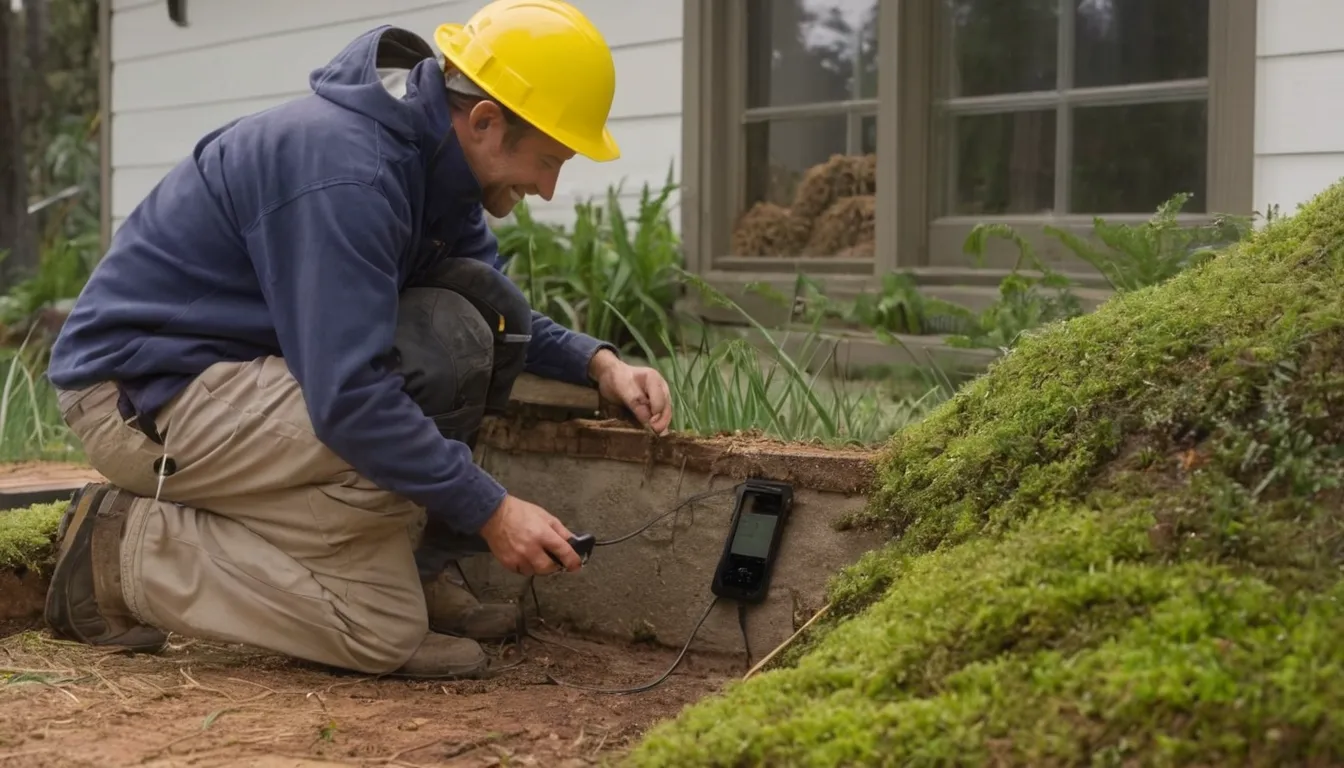
Residential Termite Treatment for Your Home
Request your termite estimate
Termites are small insects that eat wood. They live in soil, walls and beams, so you often cannot see them. By the time you notice damage, they may have worked for months.
Allfailing Pest Control is a referral service. We do not treat homes. We explain each step in short words and help you gather photos and notes. Then we connect you with an independent provider in our network near Vancouver. The provider inspects, explains the plan, and does the work. You get a written quote first. There is no obligation to hire anyone, and you stay in charge. Request a callback to check provider availability in the Vancouver area.
Think You Have Termites? Start Here
Termites are tiny insects that eat wood. They hide inside walls, floors and beams. Most people never see them. If you spot a sign, act this week.
This page is for first-timers. Plain steps first. No jargon without a quick definition.
Your First Steps
Start with photos. Take clear pictures of anything odd. Add a coin or a pen next to it so size is clear. Write the date and the room.
Then stop poking at it. Do not spray store-bought cans on the spot. Spraying can scatter the insects and make them harder to find.
Why Waiting Costs You
A colony never takes a break. It eats wood all day and night. Small problems grow into big repairs.
Wood-frame homes are easy meals. Crawl spaces and older craftsman houses give termites many hidden paths. A quick look now is cheaper than a big fix later.
Signs You Can See
Look for these clues:
- Mud tubes, which are thin dirt tunnels on foundation walls
- Piles of tiny wings near windows or doors
- Small pellets that look like sand or pepper
- Paint that bubbles or looks water-stained
Wood That Sounds Wrong
Tap a baseboard or beam with a screwdriver handle. Solid wood sounds sharp. Eaten wood sounds dull or hollow. It may also feel soft.
Signs You Can Hear or Feel
Some people hear faint clicking in a quiet wall. Doors and windows may start to stick. Floors may feel a bit spongy. Write down what you notice and when.
Why Damp Weather Helps Termites
Long wet seasons keep soil and wood moist. Moss, leaky gutters and wet crawl spaces help termites thrive. Windstorms can also drop branches against your house and leave bark or wood piles near walls.
Keep gutters clear. Fix drips. Move firewood away from the house.
Three Common Types
The type decides the plan. A provider will tell you which one you have.
Subterranean Termites
These live in soil and travel up through mud tubes. They are the most common kind in many U.S. homes.
Drywood Termites
These live inside the wood itself and need little water. Look for tiny pellets near small holes.
Dampwood Termites
These like very wet, rotting wood. They can follow leaks and damp crawl spaces.
How Treatment Works
A provider starts with an inspection. They check the foundation, crawl space, attic and wood trim. Then they explain what they found and how to treat it.
Liquid Barrier
The provider treats soil around the house with a termite product. It forms a shield that termites must cross.
Bait Stations
Bait stations are small tubes placed in the ground. Termites carry the bait back to the colony. The provider checks them over time.
Spot and Wood Treatment
For small drywood problems, a provider may treat only the affected wood. Bigger cases may need whole-house treatment, such as tenting. Ask which fits your home.
Keep Paperwork Ready
Keep a simple log. Save photos, dates, quotes, reports and receipts in one folder. A clear record helps when you compare estimates.
Some policies may cover sudden damage, and many do not cover termite damage. Check your policy. Providers can often help document damage for a claim.
Termite Inspections for Home Sales
Buyers and lenders often ask for a termite report. It is a written check of the home for active insects and past damage. Order it early so you have time to fix any issue.
If you are buying, keep the report with your closing papers.
Choosing a Termite Provider
Get at least two written quotes. Compare the plan, not only the price. Ask what the quote includes and what it leaves out.
Questions Worth Asking
- Which termite type did you find?
- What product or method will you use?
- How long does the work last?
- Is a follow-up visit included?
- What does the written agreement say about repairs?
Request a callback to check provider availability near you.
After Treatment
Treatment does not fix damaged wood. A builder or carpenter may need to do that. Ask the provider what to watch for.
Keep up yearly checks. Keep mulch and soil a few inches below siding. Fix leaks fast. Update your log after every visit.
What's Included
Full Inspection
A provider checks the foundation, crawl space, attic and trim for live termites and past damage.
Clear Plan
You get a written plan that names the termite type and the treatment method.
Proven Methods
Options include soil barriers, bait stations and spot treatment, chosen to fit your home.
Follow-Up Checks
Many providers offer return visits so you can confirm the treatment is working.
Typical Termite Treatment Costs
Prices vary by home size, termite type and region. These are typical U.S. ranges only. Always ask for a written quote before you agree to any work.
| Item | Typical range | Notes |
|---|---|---|
| Termite inspection | $75 – $300 | Some providers include it with treatment |
| Liquid soil barrier | $1,200 – $2,500 | Depends on length of foundation |
| Bait station system | $1,500 – $3,500 | Often includes monitoring visits |
| Spot treatment | $200 – $900 | A good fit for small, local problems |
| Whole-house tenting | $1,500 – $4,000 | Used for widespread drywood termites |
| Yearly renewal or monitoring | $100 – $400 | Check what the agreement covers |
How It Works
Start With Photos
Snap clear pictures of mud tubes, wings, pellets or soft wood, and note the date.
Request an Estimate
Tell us what you found and a provider in our network will reach out.
Get an Inspection
The provider checks your home and explains the findings and options in plain words.
Review and Decide
Compare written quotes, ask questions, and choose the plan that fits your home.
Why Call Allfailing Pest Control
Plain Steps First
Each step is explained in short words so you know what comes next before you decide.
Paperwork Help
We show you how to keep photos, notes and quotes so estimates are easy to compare.
Local Providers
You are matched with independent providers in our network who work near your home.
No Pressure
Request an estimate with no obligation. You choose whether to hire.
Other Services
Need residential termite treatment in Vancouver?
Tell us what you found at home. Send the request form with a few photos, and a local provider in our network can follow up with next steps.
No obligationResidential Termite Treatment FAQ
How do I know if I have termites?
Look for mud tubes on foundation walls, discarded wings near windows, tiny pellets, or wood that sounds hollow when tapped. Take photos and ask a provider to inspect. Some signs look like other problems.
How long does termite treatment take?
It depends on the method. A soil barrier or spot treatment may take a day or two. Bait systems work over months. Whole-house tenting often takes several days. Ask the provider for a timeline in writing.
Does home insurance cover termite damage?
Many policies do not cover termite damage, and some may cover sudden damage. Check your policy and ask your agent. Providers can often help document damage for a claim.
Request a callback
Tell us what you found at home. Send the request form with a few photos, and a local provider in our network can follow up with next steps.
No obligation